







The difference between a pump that runs quietly for 20 years and one that fails catastrophically in year 6 is almost never about manufacturing quality. It is about maintenance. A well-maintained pump performs at its rated efficiency, draws predictable power, and gives you plenty of warning before any component reaches end of life. A neglected pump wastes energy, develops hidden damage, and fails without notice — often at the worst possible moment.
This water pump maintenance guide draws on Hongjiu’s 18+ years of manufacturing experience and field service data from over 500,000 installed pump units. Following this water pump maintenance guide, your team will know exactly what to check daily, what to inspect seasonally, how to diagnose the five most common pump failures, and when to call for professional help.
Why a Water Pump Maintenance Guide Pays for Itself
The numbers tell a clear story. Compare the lifecycle outcomes of a maintained versus neglected pump:
| Outcome | Regular Maintenance | No Maintenance |
|---|---|---|
| Service Life | 15-20 years | 5-8 years |
| Energy Efficiency | Maintains rated efficiency | Drops 5-15% annually |
| Unscheduled Failure Risk | Under 5% per year | 20-30% per year |
| Repair Cost | Planned, minor | Emergency, 3-5× higher |
| System Downtime | Scheduled, hours | Unplanned, days |
The most expensive maintenance is the maintenance you never do. A $200 seal replacement performed on schedule prevents a $2,000 emergency repair that shuts down your building’s water supply for three days.
Daily Preventive Checks (5 Minutes)
These five checks take under five minutes and catch most developing problems before they become failures:
1. Listen for changes. A healthy pump has a consistent sound signature. Grinding suggests bearing damage. Crackling or a gravel-like sound at the suction side indicates cavitation. A high-pitched whine often means a dry or failing mechanical seal. Familiarize yourself with your pump’s normal sound. Any change is worth investigating.
2. Check for visible leaks. Inspect the area around the mechanical seal — a few drops per minute from the seal flush port may be normal during break-in, but a steady drip means the seal faces are worn, contaminated, or improperly installed. Check all flange gaskets and valve stem packings for moisture.
3. Feel for abnormal vibration. Place your hand on the pump casing and compare to your baseline feel. Increased vibration can indicate impeller imbalance, shaft misalignment, bearing wear, or cavitation. If vibration feels different from yesterday, something has changed.
4. Verify discharge pressure. Compare the pressure gauge reading against normal operating range. A gradual drop suggests impeller wear, suction strainer clogging, or system leakage. A sudden change requires immediate investigation.
5. Check motor temperature. The motor casing should feel warm but never hot. Most standard motors run at 60-80°C case temperature. A motor that is too hot to touch is either overloaded, undervoltage, or suffering from blocked cooling airflow.
Weekly Inspection Routine (15 Minutes)
Clean the suction strainer. Debris accumulation restricts flow, increases NPSH requirements, and promotes cavitation. A partially blocked strainer can reduce pump output by 20% or more while increasing energy consumption — you pay for power you never convert to useful flow.
Check bearing lubrication. Grease-lubricated bearings should show clean grease with no signs of discoloration or contamination. Oil-lubricated bearings need the oil level maintained between minimum and maximum marks. Milky or darkened oil indicates water ingress or overheating.
Inspect electrical connections. Loose terminals cause voltage drop, overheating, and motor damage. Look for discolored insulation (heat damage) and signs of moisture or corrosion. Tighten any loose connections — but always de-energize the circuit first.
Record operating data. Log flow, head, pressure, and power draw. Individual readings matter less than trends. A pump drawing 5% more power than last month at the same duty point is telling you something is changing — even if it sounds and looks normal.
Monthly Maintenance Tasks (30 Minutes)
Tighten all mechanical fasteners. Foundation bolts, coupling bolts, and flange bolts can loosen over time from vibration and thermal cycling. A single loose foundation bolt concentrates stress on the remaining bolts and can lead to base cracking or alignment drift.
Verify protection system function. Test the overload relay, phase-loss relay, and dry-run protection sensor. These devices protect your investment — make sure they are working. A failed phase-loss relay will not prevent your motor from burning out when a supply phase drops.
Clean the pump exterior. Dust, dirt, and debris block cooling fins and motor fan intakes. A pump running 10°C hotter than designed loses insulation life exponentially — every 10°C rise above rated temperature halves motor winding life.
Check VFD parameters. For variable speed pumps, verify that pressure setpoints, frequency limits, acceleration ramps, and protection thresholds still match your operating requirements. System changes over time may require parameter adjustments.
Quarterly Deep Inspection (1 Hour)
Grease bearings properly. Over-greasing destroys bearings as reliably as under-greasing. Apply the manufacturer-specified quantity through the grease fitting while the pump is running. Stop when clean grease appears at the relief port. Too much grease churns into a hydraulic lock that overheats and fails the bearing.
Inspect the impeller. Remove the pump casing or back cover and examine the impeller for wear, erosion, pitting from cavitation, or debris buildup. Even minor impeller damage reduces hydraulic efficiency. Clean any accumulated scale or deposits.
Check shaft alignment. Use a dial indicator to measure pump-to-motor shaft alignment. Offset should not exceed 0.05 mm. Angular misalignment should stay under 0.05 mm. Misalignment beyond these limits accelerates bearing wear and seal failure.
Test motor insulation. Use a megohmmeter (megger) to measure winding insulation resistance. Values below 1 megohm for low-voltage motors indicate moisture ingress or insulation degradation that needs attention.
Review trend data. Compare current flow, head, and power against your baseline readings. A drop exceeding 10% signals internal wear, system changes, or degradation that needs diagnosis.
Annual Overhaul (Half Day)
Replace the mechanical seal proactively. Mechanical seals typically last 8,000-15,000 operating hours depending on speed, temperature, and fluid conditions. Replacing the seal during a scheduled annual shutdown prevents the emergency that happens when it fails at 10 PM on a Saturday. The incremental cost of preventive seal replacement is a fraction of the emergency alternative.
Replace bearings on schedule. Bearings last 20,000-40,000 hours under normal conditions. Annual replacement is excessive for most pumps, but schedule the replacement based on actual operating hours so it never becomes a surprise. Listen for bearing noise trending upward as the replacement window approaches.
Perform a full performance test. Measure the complete Q-H curve and compare it against the pump’s original factory test data. Efficiency drop-off exceeding 5% indicates internal wear that may warrant impeller replacement or casing refurbishment.
Touch up paint and corrosion. Clean any rust spots, apply primer, and repaint the pump body and base. Surface corrosion on a pump body is cosmetic — until it is not. Unchecked corrosion eventually compromises pressure boundary integrity.
Service the VFD. Clean dust from the VFD enclosure, check cooling fan operation, inspect capacitors for bulging or leakage, and verify that firmware is current. VFD electronics degrade in hot, dusty environments without periodic attention.
Troubleshooting the 5 Most Common Pump Problems
Problem 1: Pump Runs But Delivers No Water
This is the most frequently reported pump issue. Work through these possible causes in order:
- Not primed — Centrifugal pumps cannot pump air. Fill the pump casing completely with water and open the vent valve to release trapped air before starting.
- Reverse rotation — Swap any two supply phases on a three-phase motor. Always confirm the arrow on the pump casing matches the actual impeller rotation direction.
- Suction blockage — Clean the strainer, check the foot valve if installed, and verify that the suction pipe is not collapsed or obstructed.
- Air leak on suction side — Even a pinhole air leak on the suction piping prevents the pump from developing prime. Check every joint, gasket, and fitting on the suction line.
- NPSH deficit — If the pump’s required NPSH exceeds what your system provides, the pump will cavitate and cannot develop rated flow. Raise the suction source or increase suction pipe diameter.
Problem 2: Excessive Noise or Vibration
- Cavitation produces a distinctive crackling or gravel-pumping sound. Fix it by increasing suction pressure, reducing flow rate, or lowering fluid temperature.
- Bearing failure creates a high-pitched whine or grinding noise. The bearing housing will feel hotter than normal. Replace bearings immediately — running on a failed bearing scores the shaft.
- Shaft misalignment causes vibration strongest near the coupling area. Realign using a dial indicator to within 0.05 mm offset and angular tolerance.
- Pipe stress transmits through the pump casing. Loosen the flange bolts slightly — if vibration drops, your piping is stressing the pump. Add pipe supports or flexible connectors.
- Impeller imbalance from wear, debris, or manufacturing defect causes speed-dependent vibration. Remove, clean, and rebalance or replace the impeller.
According to established mechanical seal engineering principles, vibration at the seal faces accelerates wear exponentially. Vibration amplitude that doubles seal face loading halves seal life. Fix the vibration root cause before spending money on a replacement seal that will fail the same way.
Problem 3: Mechanical Seal Leaking
- Normal wear — Seal faces eventually wear smooth tracks that allow leakage. Replace the seal with the correct material grade for your application. Silicon carbide faces paired with silicon carbide or tungsten carbide seats offer the longest life in clean water.
- Dry running — A seal run without water for even 30 seconds can crack from thermal shock. Install dry-run protection that shuts down the pump if it loses prime.
- Abrasive particles — Sand or grit between seal faces scores the surfaces. Install a suction strainer or specify harder seal materials for contaminated water.
- Incorrect installation — A seal that leaks from day one was likely installed with damaged faces, contamination on the faces, or incorrect spring compression.
- Excessive shaft deflection from bearing wear or misalignment flexes the seal faces apart. Always check bearings and alignment before blaming the seal.
Problem 4: Motor Tripping or Overheating
- Hydraulic overload — If the pump operates far to the right of its BEP on the curve, it draws more power than the motor rating. Throttle the discharge or reduce impeller diameter.
- Voltage imbalance — Over 2% voltage imbalance between phases causes disproportionately high current imbalance and motor heating. Check the supply at the motor terminals.
- Blocked cooling — A motor cooling fan caked with dust and debris cannot dissipate heat. Clean the fan cover and ensure adequate ventilation around the motor.
- Frequent starts — More than 6-10 starts per hour overheats the motor windings. Install a soft starter or VFD, or fix the system condition causing short cycling.
Problem 5: Gradual Performance Decline
When flow and pressure slowly drift downward over weeks or months, the cause is usually progressive internal wear. The impeller wear ring clearance increases, allowing internal recirculation from discharge back to suction. The impeller itself erodes, reducing its hydraulic efficiency.
A performance test comparing current Q-H data against factory curves quantifies the loss. If efficiency has dropped more than 5-10%, impeller and wear ring replacement restores performance to near-new levels at a fraction of the cost of a complete pump replacement.
Seasonal Maintenance for Year-Round Reliability
Winter Preparation
Water freezing inside a pump casing can crack the body irreparably. Before the first freeze:
- Drain idle pumps. Open all drain plugs and leave them open. Water trapped in the volute has nowhere to expand when it freezes.
- Insulate exposed piping. Wrap suction and discharge lines with pipe insulation — especially outdoor sections and unheated mechanical rooms.
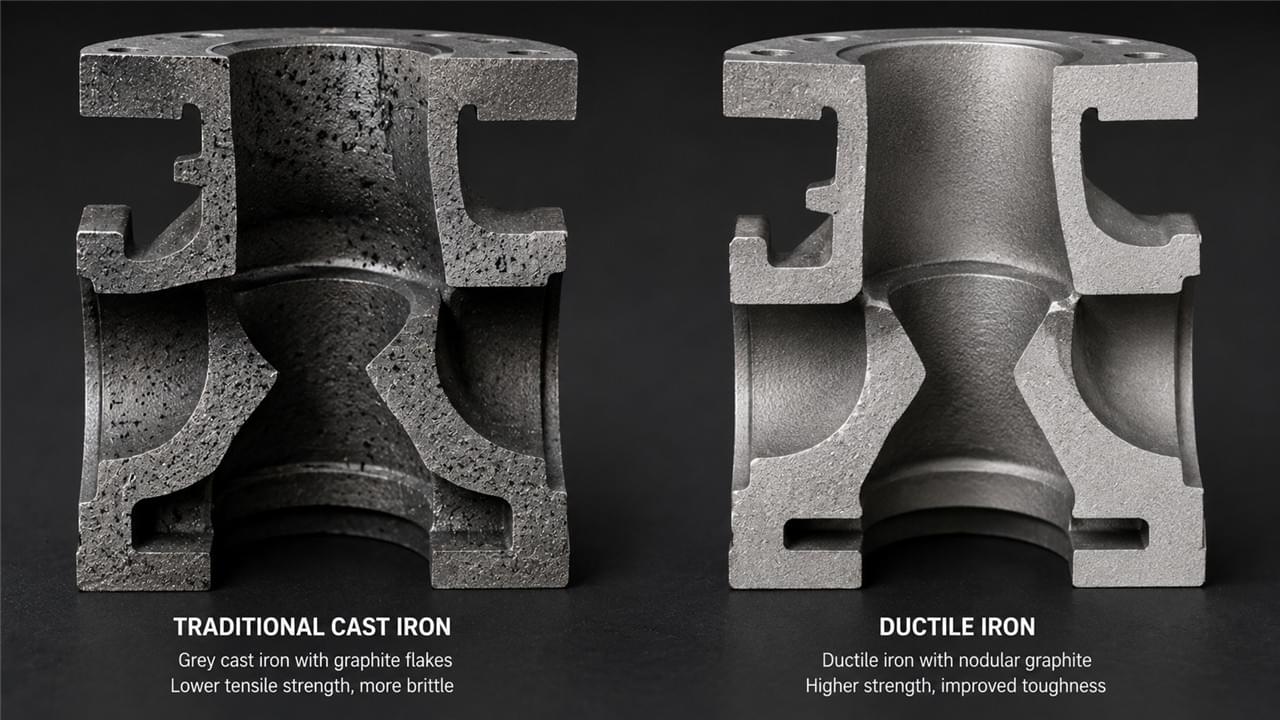
- Verify anti-freeze capability. Hongjiu pumps using ductile iron 450 bodies can withstand static ambient temperatures down to -15°C without damage — but flowing water must still be protected.
- Test building heating in the pump room. A small space heater in an uninsulated mechanical room is cheap insurance against a freeze-damaged pump body.
- Install heat trace cable on any water-filled pipes that cannot be drained during cold weather.
Summer Preparation
- Verify motor cooling. Clean fan covers, check that ventilation openings are unobstructed, and confirm that ambient temperature in the pump room stays below 40°C.
- Check VFD cooling. VFD enclosures in hot mechanical rooms may need forced ventilation or even air conditioning to prevent electronics damage. A VFD fault on a 40°C summer day costs more than the ventilation upgrade.
- Watch for cavitation as water temperature rises. Hotter water has higher vapor pressure, reducing available NPSH. A pump that operated fine all winter may cavitate in summer if the water source warms up.
When to Call a Professional
Contact Hongjiu’s technical support when:
- You have followed the troubleshooting sequence and the problem persists or worsens
- The pump is still under warranty — Hongjiu provides a 2-year warranty with free repair and replacement parts
- Performance has degraded significantly and you cannot isolate the root cause
- You need spare parts — we maintain full inventory of mechanical seals, bearings, impellers, and complete pump bodies for our HDG vertical inline pumps and all other series
- You are unsure whether a component needs repair or replacement — a quick consultation can prevent an unnecessary teardown
Our team has diagnosed and resolved virtually every type of pump problem across half a million installed units. Most issues can be identified remotely from your description and operating data. On-site commissioning and troubleshooting support is available for large installations.
Make Preventive Maintenance Your Standard
Every hour you spend on preventive maintenance returns multiple hours of avoided downtime. Every dollar spent on scheduled seal and bearing replacement saves multiple dollars in emergency repair costs. This water pump maintenance guide helps you adopt a systematic approach that keeps every pump delivering its rated efficiency — keeping your energy costs where they belong.
Download our printable maintenance checklist specific to your pump model, or contact our technical team for guidance on building a maintenance program matched to your operating conditions.
Request Maintenance Support — Get expert pump troubleshooting and spare parts support from our technical team.
Explore Spare Parts and Service — OEM mechanical seals, bearings, impellers, and complete replacement pumps with fast global delivery.
Anhui Hongjiu Water Pump Equipment Co., Ltd. — We build them to last. We help you keep them running.